
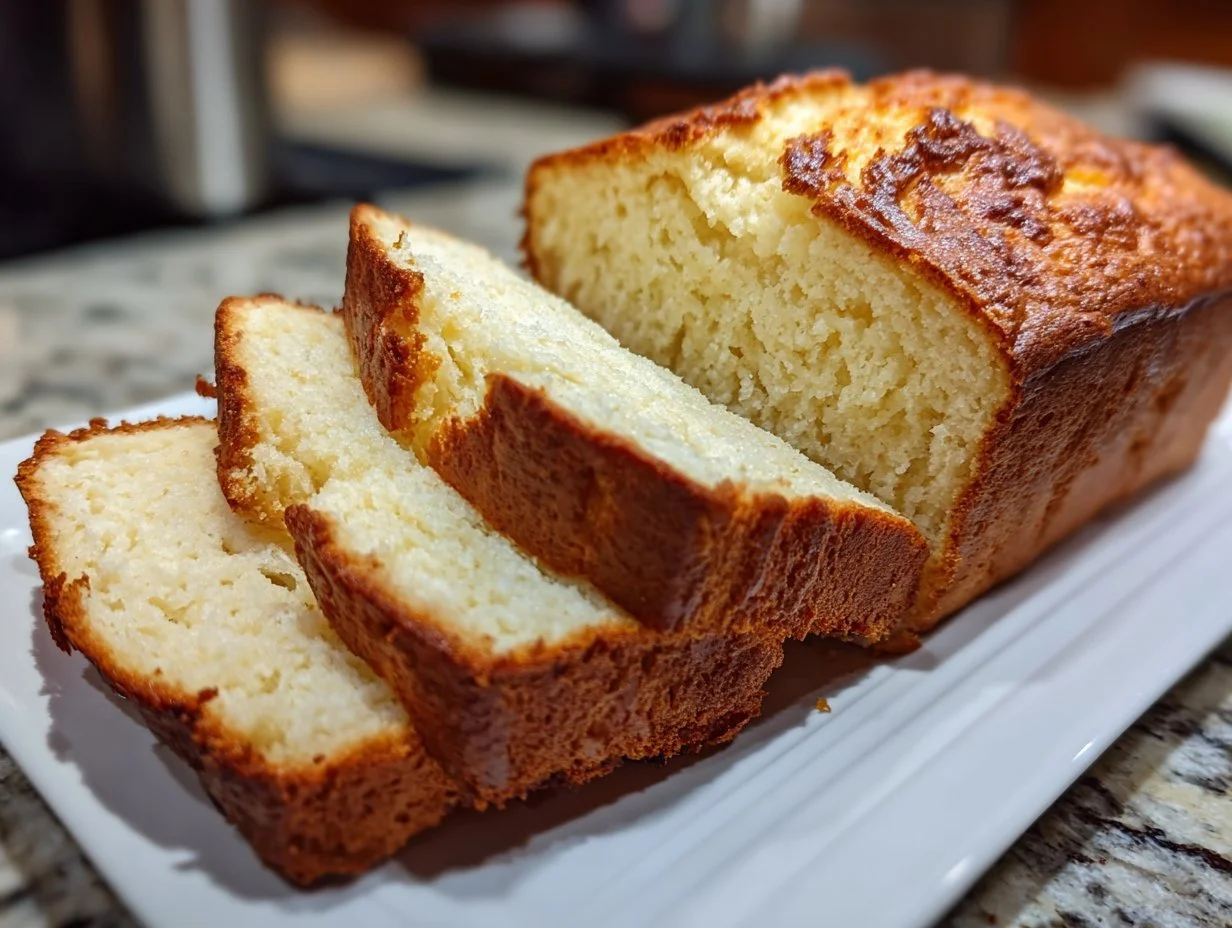
I can still remember the Sunday morning when I first mixed up this humble batter, standing at the counter in my favorite worn apron, the kitchen smelling warm and tangy. As the loaf rose and the edges turned golden, I felt that cozy, steady kind of satisfaction only a simple homemade bread can bring. Somewhere between the soft crumb and that gentle tang, I found a loaf that felt like comfort without the carb-heavy tradeoffs many of us worry about.
This recipe, Zero Carb Yogurt Bread, is my answer for mornings when I want something wholesome, quick, and a little indulgent. If your pantry is anything like mine, you’ll appreciate how few ingredients it calls for and how forgiving the method is. For days when you want a straightforward loaf with minimal fuss, this bread joins the same easy family as this 4-ingredient banana bread, which I also turn to when life gets busy and my oven becomes my quiet place.
I promise the texture is soft, the crumb slightly tangy, and the slice pairs beautifully with butter or a smear of savory toppings. Read on for all the little details that make this loaf feel like a warm hug from the inside out.
Kitchen Essentials You’ll Need
A few simple tools make this loaf effortless. You do not need anything fancy. A sturdy mixing bowl helps you whisk the yogurt and eggs until smooth. A separate bowl for dry ingredients ensures even distribution of the almond and coconut flours. A loaf pan is essential for shape, and a wire rack lets the bread cool without getting soggy.
- 1 large mixing bowl and 1 medium mixing bowl
- Whisk and rubber spatula
- 9×5-inch loaf pan (greased or lined)
- Measuring cups and spoons
- Wire cooling rack
- Toothpick or cake tester
If you have a scale, use it for precision. A silicone spatula and a good nonstick loaf pan will save you frustration when removing the loaf. These small differences in tools can change how the crust browns and how easily the bread slices.
Why You’ll Love This Zero Carb Yogurt Bread
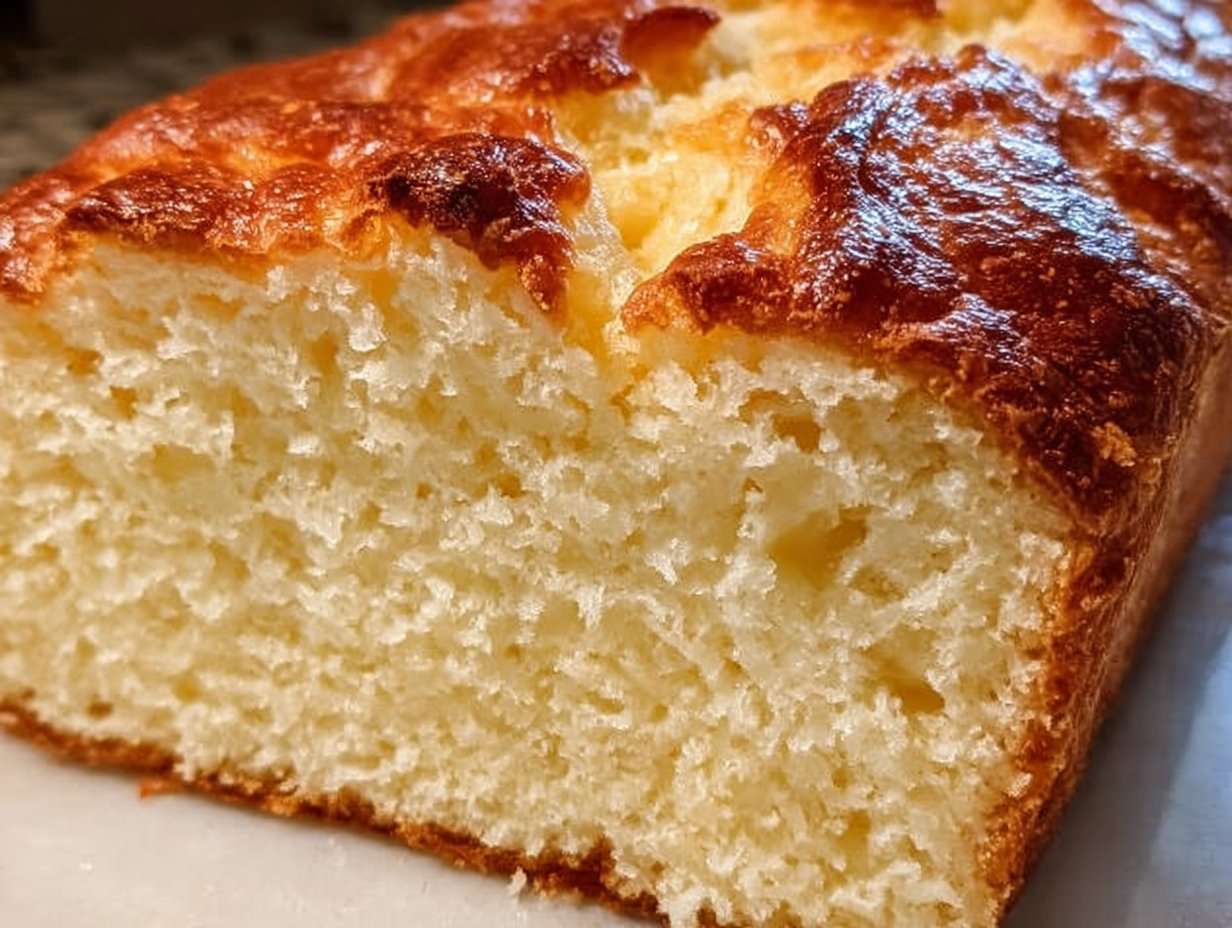
There is something wonderfully reassuring about a loaf that asks for so little and gives so much. The flavor is gently tangy from the yogurt with a comforting, nutty backbone from the almond flour. The coconut flour lends a subtle coconut sweetness and supports a tender crumb without adding the heavy density that some low-carb breads have. Texture-wise, it is approachable — moist but sliceable, soft enough for kids and hearty enough for adults who want a more filling bite.
Here are a few reasons this loaf shines in my kitchen:
- Minimal ingredients and straightforward technique make it ideal for busy mornings.
- The tangy yogurt flavor balances savory toppings beautifully.
- It’s versatile for breakfast, sandwiches, or a cozy snack plate.
- The loaf bakes quickly and doesn’t demand constant attention.
- Because it uses pantry staples, it’s reliable when you need a last-minute loaf.
Emotionally, it feels like a small, personal indulgence: you are giving yourself the care of homemade bread without a long list of ingredients or a complicated process. That kind of practical comfort is exactly what I turn to when life needs a gentle, nourishing pause.
Zero Carb Yogurt Bread Ingredients
You’ll need the following base ingredients to make this loaf come together simply and reliably:
2 cups Greek yogurt, 1 cup almond flour, 1/2 cup coconut flour, 2 large eggs, 1 tablespoon baking powder, 1/2 teaspoon salt
Beyond that, I often keep a few pantry extras on hand to dress the loaf up or tweak the flavor. A tablespoon of olive oil or melted butter swirled into the batter will create a silkier, richer crumb. A pinch of garlic powder or onion powder can turn the loaf into a savory companion for soups. Fresh herbs like chopped rosemary or chives are lovely stirred in for a savory loaf that pairs well with cheese. For sweet variations, a drizzle of honey or a teaspoon of vanilla can balance the tang without overwhelming the low-carb profile.
Sticking to the listed amounts for the core ingredients ensures the texture stays stable. Coconut flour is absorbent, so that exact measure is important. The simplicity of the list is what makes this recipe so approachable and forgiving.
Step-by-Step Instructions
- Preheat your oven to 350°F (175°C) and grease a loaf pan. Once the oven warms, you’ll notice the faint scent of warmth in the air. Greasing the pan well or lining it with parchment makes for a clean release and keeps the crust smooth.
- In a large bowl, combine the Greek yogurt, eggs, and salt, mixing until smooth. Whisk until the yogurt loosens and the eggs are fully incorporated; the mixture should look glossy and slightly thick, with no streaks of egg white remaining.
- In another bowl, whisk together the almond flour, coconut flour, and baking powder. The dry mix should look even and pale, with the baking powder sifted or whisked in so it won’t clump when mixed into the wet ingredients.
- Gradually mix the dry ingredients into the wet mixture until well combined. Add the dry mix in two or three additions, folding gently with a spatula. The batter will thicken and feel a little cakey; you’re aiming for a spoonable batter that holds its shape when scooped.
- Pour the batter into the prepared loaf pan and smooth the top. Use a spatula to level the surface so it bakes evenly; the batter will settle and you’ll see a slightly glossy sheen before it goes into the oven.
- Bake for 30-35 minutes or until the top is golden brown and a toothpick inserted comes out clean. The aroma should be warm and slightly nutty. The crust will take on a gentle golden color and the edges will pull slightly away from the pan.
- Allow the bread to cool in the pan for a few minutes before transferring it to a wire rack to cool completely before slicing. Cooling helps the crumb set so your slices are neat and not gummy. Wait at least 20 minutes for easier slicing and the best texture.
Fun Variations You Can Try
There are so many ways to make this loaf your own. A few small swaps can shift the loaf from breakfast to sandwich superstar or a savory side. Here are ideas to inspire you:
- Add 1/4 cup shredded cheese and 1 tablespoon chopped chives for a savory, cheesy loaf.
- Stir in 2 tablespoons chia or flaxseed for added fiber and a slightly nutty texture.
- For a sweeter touch, fold in 1–2 tablespoons of erythritol or monk fruit sweetener and a teaspoon of vanilla.
- Mix in 1/4 cup toasted nuts or seeds for crunch on top before baking.
- Swap some of the Greek yogurt for mashed ripe banana (about 1/3 cup) for a moister, naturally sweet loaf. If you love banana breads, try pairing this idea with a version like 5-ingredient banana bread for inspiration on balancing sweetness and texture.
- Make mini loaves or muffins by dividing the batter into a muffin tin and reducing bake time by about 8–12 minutes.
Each variation shifts the loaf’s personality. When experimenting, keep the wet-to-dry balance in mind. Coconut flour is thirsty so changes to yogurt or eggs may require small adjustments.
How I Love to Serve It
When the loaf first comes out of the oven, I like to let it cool until it is just warm to the touch. A thick slice with a pat of butter melting into the crumb is my cozy morning ritual. For savory afternoons, I slice thin and top it with avocado, a sprinkle of flaky salt, and a grind of black pepper. At brunch, I serve slices alongside soft-poached eggs and a small salad of peppery greens.
Consider these serving ideas:
- Toast slices and spread with softened butter and a sliver of honey for a lightly sweet breakfast.
- Use thicker slices as sturdy bases for open-faced sandwiches with smoked salmon and dill.
- Offer alongside a warm bowl of soup or chili; the tang of the yogurt bread complements tomato-based soups beautifully.
- Make small crostini by toasting thin slices and topping with herbed ricotta and roasted cherry tomatoes.
The textures are key: a tender interior, golden edges, and toppings that bring contrast. Set the loaf on a wooden board, pull out a serrated knife, and let people help themselves. I love the casualness of a sliceable loaf on a weekend breakfast table where talk and crumbs flow freely.
Helpful Tips from My Kitchen
A few small practices have kept this recipe reliable in my kitchen. First, measure the coconut flour carefully. A mis-measure will change the batter from soft to overly dry. If you find the batter thick after stirring, a tablespoon or two of additional Greek yogurt can bring it back to the right consistency without loosening the crumb.
Room temperature eggs blend more smoothly into the yogurt. If you have time, let the eggs sit out for 15 minutes. When mixing, fold gently; overworking can tighten the crumb. If you want a glossier crust, brush the top lightly with a little olive oil before baking. For evenly browned sides, try placing the loaf on the middle oven rack and rotate it once halfway through baking.
If you plan to freeze slices, wrap them individually in plastic and store in a freezer bag. Toast directly from frozen or thaw at room temperature for a few minutes. When slicing, use a serrated knife and let the loaf cool enough to set so your slices are neat.
Trust the sensory cues. A clean toothpick and a golden top are your best indicators of doneness. If the center still feels jiggly, give it a few more minutes. With these small habits, the loaf will become a dependable part of your rotation.
Important Cooking Reminders
- Grease or line your loaf pan well to prevent sticking and make removal easy.
- Let the bread cool sufficiently before slicing to avoid a gummy interior.
- Store loosely covered at room temperature for up to 2 days, or refrigerate for up to 5 days.
- To reheat, toast slices for a few minutes or warm in a 300°F oven until heated through.
- Do not overmeasure coconut flour; scoop into a measuring cup and level for accuracy.
- If the crust browns too quickly, tent with foil in the final minutes of baking.
- Always check doneness with a toothpick inserted into the center; it should come out clean or with a few moist crumbs.
Nutritional Information (Estimated)
Per slice (assuming 8 slices): This bread is higher in healthy fats and protein thanks to almond flour and Greek yogurt, with very low net carbs compared to traditional wheat bread. Estimated per slice: calories around 190–220, total carbs approximately 3–4g, fat about 14–16g, and protein near 8–10g. Exact values will vary based on brands and any added mix-ins like cheese or nuts. If tracking macros closely, calculate based on the specific yogurts and flours you use.
Recipe Details
- Prep Time: 10 minutes
- Cook Time: 30–35 minutes
- Total Time: 40–45 minutes
- Yield: 1 standard loaf (about 8 slices)
Common Questions You Might Have
What can I use if I do not have Greek yogurt? You can substitute full-fat plain yogurt, though it may be slightly thinner; drain it in a cheesecloth-lined sieve for 15–30 minutes to remove excess whey and thicken it. Plain kefir is too thin. If you must use a non-dairy yogurt, choose a thick coconut yogurt and be aware the flavor and texture will shift.
Can I make this into muffins or mini loaves? Yes. Divide the batter into a muffin tin, filling cups about two-thirds full. Reduce baking time to 18–22 minutes for muffins. For mini loaves, bake for roughly 20–25 minutes. Keep an eye on color and test with a toothpick. Smaller cakes will bake faster and may brown sooner on the edges.
Is this truly zero carb for people following strict diets? The name “Zero Carb Yogurt Bread” highlights its very low carb nature, but it is not absolutely zero carbs. Almond and coconut flours contain minimal carbs, and Greek yogurt has a small amount. If you track strictly, calculate nutrition based on your ingredients. To reduce carbs slightly further, use full-fat Greek yogurt with no added sugars and avoid sweet mix-ins.
Conclusion
I reach for this loaf on mornings when I want something uncomplicated that still feels like a gift to myself. The warm, slightly tangy crumb reminds me of gentle Sundays and small acts of care. Whether you slice it thick with butter melting into a soft center or thin for an avocado-topped afternoon snack, this bread has a way of settling into your day like a quiet, reliable friend. Making Zero Carb Yogurt Bread taught me that comfort does not always need to be elaborate. It can be modest, quick, and deeply satisfying. Keep a loaf wrapped on the counter for days when you want to slow down with a cup of tea, and remember that the best recipes are the ones that fit into your life and make it a little sweeter.
Print
Zero Carb Yogurt Bread
- Total Time: 45 minutes
- Yield: 1 standard loaf (about 8 slices) 1x
- Diet: Low Carb, Gluten Free
Description
A simple, wholesome bread made with Greek yogurt, almond flour, and coconut flour, offering a soft, tangy crumb that’s perfect for breakfast or snacks.
Ingredients
- 2 cups Greek yogurt
- 1 cup almond flour
- 1/2 cup coconut flour
- 2 large eggs
- 1 tablespoon baking powder
- 1/2 teaspoon salt
Instructions
- Preheat your oven to 350°F (175°C) and grease a loaf pan.
- In a large bowl, combine Greek yogurt, eggs, and salt until smooth.
- In another bowl, whisk together almond flour, coconut flour, and baking powder.
- Gradually mix dry ingredients into the wet mixture until well combined.
- Pour the batter into the prepared loaf pan and smooth the top.
- Bake for 30-35 minutes or until golden brown and a toothpick inserted comes out clean.
- Allow the bread to cool in the pan for a few minutes before transferring to a wire rack to cool completely before slicing.
Notes
For additional flavor, you can add a tablespoon of olive oil or melted butter, garlic powder, herbs, or sweeteners as desired.
- Prep Time: 10 minutes
- Cook Time: 35 minutes
- Category: Bread
- Method: Baking
- Cuisine: American
Nutrition
- Serving Size: 1 slice
- Calories: 200
- Sugar: 3g
- Sodium: 200mg
- Fat: 15g
- Saturated Fat: 3g
- Unsaturated Fat: 10g
- Trans Fat: 0g
- Carbohydrates: 4g
- Fiber: 2g
- Protein: 10g
- Cholesterol: 50mg
Keywords: low carb bread, Greek yogurt bread, healthy snacks, easy bread recipe