
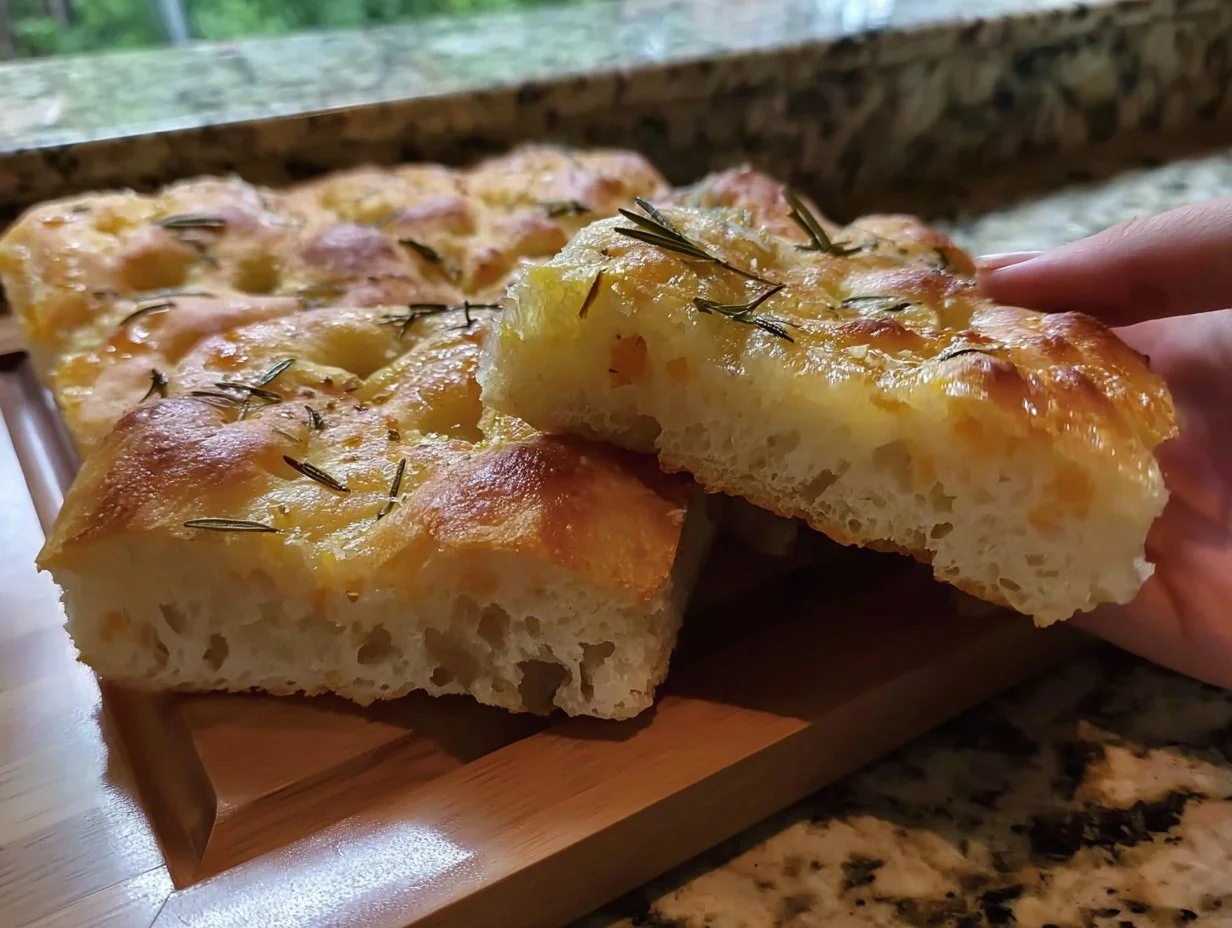
There’s a quiet joy that comes from baking something slow and honest on a weeknight, the kind of bread that makes the whole house smell like comfort. I remember dragging a chair into the kitchen, watching the dough gently bubble in the fridge, and feeling like I’d tucked a promise into cold air: tomorrow would be delicious. In the first warm minutes of pulling the tray from the oven the next day, I say the words Overnight Focaccia out loud like a secret shared between friends. It’s simple, forgiving, and strangely elegant in its golden, blistered crust. This loaf is the bread I reach for when I want to feed neighbors, chase away a blustery afternoon, or make a weeknight feel special without fuss. If you love tactile cooking and the slow payoff of patience, you’ll find this recipe feels like a little culinary hug.
Kitchen Essentials You’ll Need
Kitchen Essentials You’ll Need
Good tools make this recipe joyful and low-stress. You do not need anything fancy, but a few essentials will guide you toward a beautiful, airy focaccia with a crisp bottom and pillowy interior. A roomy mixing bowl gives the dough space to breathe and grow. A 9×13 baking pan helps create the classic rectangular focaccia shape and even browning. A bench scraper or spatula keeps things tidy and makes transfers easy. A reliable instant-read thermometer helps check doneness without cutting into the loaf. Plastic wrap and a clean kitchen towel are little helpers for those resting and proofing steps.
- Large mixing bowl
- 9×13 baking pan
- Spatula or bench scraper
- Instant-read thermometer
- Plastic wrap and kitchen towel
Why You’ll Love This Overnight Focaccia
Why You’ll Love This Overnight Focaccia
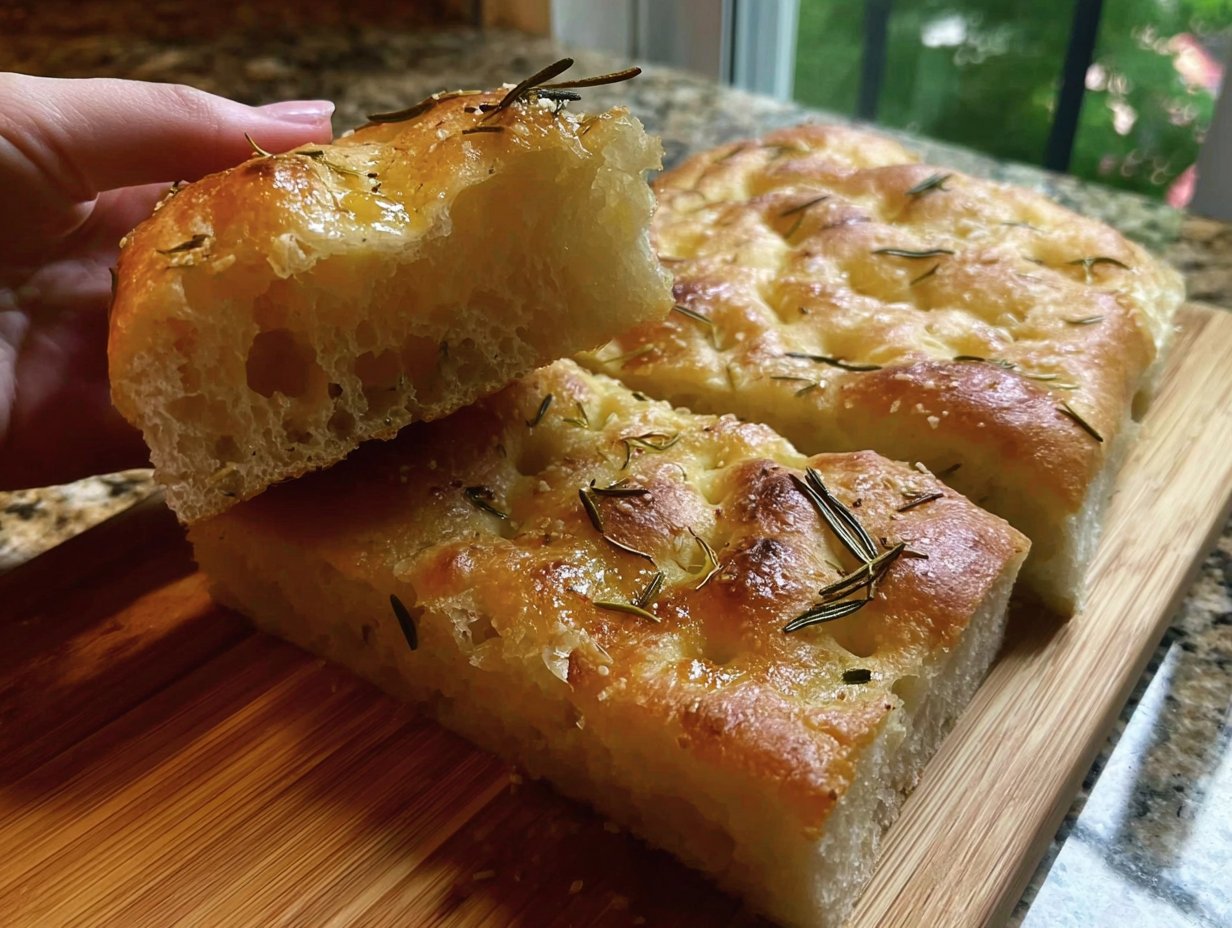
This is the kind of bread that quietly steals the spotlight at dinner. The overnight rest gives the dough time to develop flavor and those coveted irregular air pockets that make each bite pillowy and tender. The outside crisps to a delicate golden brown while the interior stays soft and aromatic. The olive oil and honey add a gentle richness and hint of caramelized sweetness. The herbs and garlic create a savory perfume that makes the whole kitchen feel like a Mediterranean afternoon.
- Effortless convenience: mix in the evening, bake the next day.
- Incredible texture: a crisp top, slightly chewy center, and airy crumb.
- Deep flavor: slow fermentation and olive oil bring nuanced caramel and tang.
- Versatile: serve as sandwich bread, appetizer, or side for soups and salads.
You’ll appreciate how forgiving the method is. It doesn’t demand precise kneading; the stretch-and-fold technique gentle builds strength in the dough. It’s the kind of loaf that lets you take a coffee break while yeast works its magic. Once you taste the rosemary, garlic, and Parmigiano-Reggiano melted into the warm crumb, you’ll understand why this Overnight Focaccia suddenly feels like it’s always been part of your home kitchen.
Overnight Focaccia Ingredients
480 grams King Arthur All-Purpose Flour, 390 grams warm water, 14 grams honey, 14 grams kosher salt, 2 grams active dry yeast, 40 grams extra virgin olive oil, 3 tbs warm water, 1/4-1/2 tsp iodized salt, 1 tbs water, 2 tbs extra virgin olive oil, 1-2 rosemary sprigs (chopped), 2 garlic cloves (finely minced), 1 tsp oregano, kosher salt (to taste), Pinch red pepper flakes, Parmigiano-Reggiano (freshly grated)
I also like to keep a few pantry staples on hand to adjust flavors: extra olive oil for drizzling, freshly ground black pepper, and a little more honey if your yeast seems sluggish. If you prefer, swap kosher salt for fine sea salt, but balance the amount since the grain sizes differ.
Step-by-Step Instructions
- Add the honey and yeast to the warm water. Mix to combine and let sit for 5 minutes. You should see tiny bubbles forming on the surface and smell a faint, yeasty sweetness when it’s active.
- Meanwhile, whisk together the flour and salt in a large bowl until evenly combined and pale. Pour in the water mixture and the olive oil. Use a spatula to stir to combine until all of the dry bits are mixed in. It will create a wet blob. Cover with plastic wrap and a kitchen towel for 5 minutes to rest; the dough will look shaggy and sticky.
- When the 5 minutes are up, uncover, wet your hand, and stretch and fold the dough 4-5 times. To do this, pull a section of the dough out and then stretch and fold it over like you’re wrapping a gift. Rotate the bowl and repeat 4-5 times. The dough will feel sticky but should begin to hold together. Cover back up with the plastic wrap and towel and let rest for 15 minutes.
- Once the 15 minutes are up, repeat the same stretch and fold process. The dough should be more elastic by this round, smoother and slightly springy. Once you’ve stretched and folded, flip the dough over so that the smooth part is on top. Drizzle some more olive oil on top, using your hand to make sure the entire dough ball is covered in the olive oil. Cover with plastic wrap and the towel and leave in the fridge for 12-18 hours where it will slowly ferment and develop deep flavor and little air bubbles.
- The next day, pour a few tbs of olive oil into the bottom of a 9×13 pan. Remove the dough from the fridge; it should have risen and developed some air bubbles. Pour the dough out onto the baking pan making sure the smooth part is on the top. The dough will be loose and forgiving. Cover with plastic wrap and a kitchen towel and let sit in a warm place (like the oven with the light on) for 2-4 hours, or until the dough has expanded to 85-90% of the pan. Check after 1.5-2 hours to ensure it isn’t overproofing.
- Make the brine by combining the warm water and the salt. Mix until the salt is dissolved; the liquid should taste noticeably salty but pleasant, not overwhelmingly so.
- Uncover the dough. If it hasn’t fully filled out the pan, gently stretch the corners to coax it into shape. Then, dimple the dough by pressing your fingers into it, making sure to touch firm enough that you’re hitting the bottom of the pan, but not enough to rip it. The dimples will hold the brine and oil. Once dimpled, pour the brine all over the dough so it pools in the indentations. Cover again and let proof one last time for 45 minutes. At this time, preheat the oven to 500 degrees F to help the top begin to brown quickly once it goes in.
- Mix together everything for the topping and set aside: combine 1 tbs water, 2 tbs extra virgin olive oil, chopped rosemary, minced garlic, oregano, pinch of red pepper flakes, and a light sprinkle of kosher salt to taste. Stir until fragrant.
- Once the 45 minute proof is up, uncover the dough, pour the topping over the bread, spreading it gently with your fingers so the herbs settle into the dimples, and add a touch more olive oil, and a grating of Parmigiano-Reggiano if you’d like.
- Lower the oven to 425 and add the focaccia. Bake for about 30 minutes, or until golden on top and the inside reaches at least 200 degrees F. In the final 15 minutes, move the focaccia to the bottom rack to ensure the bottom crisps up (extra credit if you keep a pizza stone on the bottom at all times and let it cook on top of that!). Look for a deep, even golden top and a crisp, slightly blistered surface.
- Remove from the oven and let sit in the tray for 7 minutes to settle. Then remove to cool completely on a wire rack before slicing so the crumb finishes setting. The aroma will be herby, garlicky, and warm.
Fun Variations You Can Try
- Olive and Thyme: Scatter halved Kalamata olives and fresh thyme over the dimples for a briny, bright loaf.
- Caramelized Onion & Goat Cheese: Slow-cook a couple of onions until jammy and top with dollops of goat cheese before baking.
- Tomato & Basil: Press thin slices of cherry tomatoes into the dough, add basil after baking for freshness.
- Gluten-friendly option: Use a high-quality gluten-free all-purpose blend and reduce hydration slightly; expect a denser crumb.
- Spicy-Sweet: Add a drizzle of honey and a sprinkle of chili flakes post-bake for contrast.
- Cheesy Upgrade: Mix grated sharp cheddar into the dough or add a sprinkling of Parmigiano-Reggiano before baking for an extra savory finish.
Feel free to experiment with toppings. The dough is forgiving and loves bold, rustic flavors.
How I Love to Serve It
There’s something so cozy about tearing a warm corner from a freshly baked tray. I love serving this focaccia just a little cooled, the edges still warm, with a small saucer of extra virgin olive oil and flaky sea salt for dunking. It shines alongside soups and stews, especially creamy tomato or a winter minestrone. For a light meal I slice it horizontally, load it with roasted vegetables, fresh mozzarella, and a handful of peppery arugula. At casual gatherings I break it into chunks and place it on a big wooden board with olives, cured meats, and a soft cheese so everyone can graze.
- Serve warm with olive oil, sea salt, and cracked pepper.
- Pair with a bowl of soup or a simple salad dressed with lemon and olive oil.
- Transform into sandwiches with roasted chicken, basil, and roasted peppers.
- Cut into fingers and use as a crostini base topped with ricotta and honey for dessert.
The texture is so inviting that even plain pieces disappear fast. It’s bread that makes people linger at the table.
Helpful Tips from My Kitchen
The small details matter, but mostly in a kind and flexible way. Use warm, not hot, water to bloom the yeast; too hot and you’ll kill it, too cool and it may be slow. If your kitchen is chilly, let the dough proof a bit longer; if it’s very warm, check more frequently. When stretching and folding, be gentle—this dough is hydrated and responds well to light handling. Olive oil is your friend; it helps with texture and prevents sticking to the pan. If you like big open holes in the crumb, handle the dough minimally when transferring to the pan.
- Bloom the yeast in warm water with honey to ensure active yeast.
- Keep hands and tools lightly oiled to manage stickiness.
- Use an instant-read thermometer to hit at least 200°F in the center.
- If the top browns too quickly, tent loosely with foil the last 10 minutes.
- Chill time improves flavor. 12–18 hours in the fridge is ideal for complexity.
Above all, don’t stress about perfect shape. Rustic focaccia is meant to be honest and imperfect. Practice yields beautiful results.
Important Cooking Reminders
- Always proof yeast in warm water with honey and watch for bubbling to confirm activity.
- Use an instant-read thermometer for doneness; aim for at least 200°F in the center.
- Store leftover focaccia in an airtight container at room temperature for up to 2 days or freeze slices for longer storage.
- Reheat gently in a 350°F oven wrapped in foil for 8–10 minutes or crisp under the broiler for a minute if desired.
- Do not leave hot pans unattended; use oven mitts when moving pans in and out.
- Avoid overproofing; check the rise at 1.5–2 hours in the pan to prevent collapse.
Nutritional Information (Estimated)
A rough estimate per serving (assuming 12 servings): A slice of this focaccia will likely contain around 250–300 calories depending on the oil and cheese used. Carbohydrates are the main macronutrient at roughly 35–40 grams per slice. Fat comes mainly from olive oil and cheese and will be about 10–15 grams. Protein is modest, approximately 5–7 grams, with a little boost from Parmigiano-Reggiano. These numbers are approximate and will vary based on portion and exact ingredient brands.
Recipe Details
- Prep Time: 20 minutes active, plus 12–18 hours refrigeration
- Cook Time: ~30 minutes
- Total Time: 13–19 hours (mostly hands-off)
- Yield: One 9×13 tray of focaccia (about 10–12 servings)
Common Questions You Might Have
What if my dough is too sticky to handle? If the dough is ultra-sticky, resist the urge to add lots of flour. Instead, oil your hands and spatula. The dough will be wet; that hydration creates the open crumb. Work with a bench scraper to move the dough and let rest if it fights you—time helps it relax and become manageable.
Can I make this without a 12–18 hour fridge rest? Yes. You can do a same-day version by proofing at room temperature for shorter intervals, but the flavor will be less developed. The overnight refrigerator rest deepens the flavor and creates that lovely complexity. If short on time, aim for a warm, extended proof of 3–4 hours with the same stretch-and-fold rhythm.
How do I keep the bottom from getting soggy? A well-oiled pan and a hot lower rack help foster a crisp bottom. Bake on the lower rack for part of the bake, and consider placing a pizza stone on the bottom rack to absorb and radiate heat. Also, ensure your brine is not puddling excessively—dimples should hold liquid but not make the dough sit in a pool.
Conclusion — Overnight Focaccia
This loaf has become a small ceremony in my kitchen: mix before bed, wake to a house that smells of rosemary and garlic, and slice into a warm, pillowy treasure. The magic is in the patience and the honest, simple ingredients. When you pull it from the oven and the top cracks into a golden mosaic, you feel like you made something generous and true. If you want more ideas for overnight methods or want to compare techniques, I often read recipes like The Best, Easiest Focaccia Bread Recipe | Alexandra’s Kitchen and Easy Overnight Focaccia Recipe for inspiration and troubleshooting. No matter which variation you choose, this Overnight Focaccia rewards a little time with a lot of deliciousness. Try it for a simple dinner, a celebratory brunch, or a gift for a friend, and enjoy the way warm bread brings people together.

Overnight Focaccia
- Total Time: 780-1140 minutes
- Yield: 10-12 servings 1x
- Diet: Vegetarian
Description
A simple, forgiving overnight focaccia bread that offers a golden, blistered crust with a soft, aromatic interior. Perfect for feeding neighbors or brightening your weeknight meals.
Ingredients
- 480 grams King Arthur All-Purpose Flour
- 390 grams warm water
- 14 grams honey
- 14 grams kosher salt
- 2 grams active dry yeast
- 40 grams extra virgin olive oil
- 3 tablespoons warm water
- 1/4–1/2 teaspoon iodized salt
- 1 tablespoon water
- 2 tablespoons extra virgin olive oil
- 1–2 rosemary sprigs (chopped)
- 2 garlic cloves (finely minced)
- 1 teaspoon oregano
- kosher salt (to taste)
- Pinch red pepper flakes
- Parmigiano-Reggiano (freshly grated)
Instructions
- Add the honey and yeast to the warm water. Mix to combine and let sit for 5 minutes until bubbly.
- Whisk together the flour and salt in a mixing bowl. Pour in the water mixture and olive oil, mixing until combined.
- Cover the dough with plastic wrap and a towel for 5 minutes to rest.
- Wet your hands and stretch and fold the dough 4-5 times, then cover and let rest for another 15 minutes.
- Repeat the stretching and folding, then coat the dough with olive oil, cover, and refrigerate for 12-18 hours.
- The next day, oil a 9×13 pan, then pour the dough into the pan, smoothing the top. Let it proof in a warm place for 2-4 hours.
- Make the brine and pour it over the dimpled dough. Let proof for 45 minutes.
- Preheat the oven to 500°F. Mix topping ingredients and pour over the bread.
- Lower the oven to 425°F and bake for about 30 minutes until golden and reaching 200°F inside.
- Let the focaccia sit for 7 minutes in the pan, then cool on a rack before slicing.
Notes
For the best flavor, let the dough rest in the fridge for 12-18 hours. You can experiment with different toppings to suit your taste.
- Prep Time: 20 minutes
- Cook Time: 30 minutes
- Category: Bread
- Method: Baking
- Cuisine: Mediterranean
Nutrition
- Serving Size: 1 slice
- Calories: 275
- Sugar: 1g
- Sodium: 300mg
- Fat: 10g
- Saturated Fat: 1g
- Unsaturated Fat: 8g
- Trans Fat: 0g
- Carbohydrates: 38g
- Fiber: 2g
- Protein: 6g
- Cholesterol: 0mg
Keywords: focaccia, bread, overnight, baking, Mediterranean